
- 💊 Buy Gabapentin Online
- 💊 Buy Butalbital Online
- 💊 Buy Tramadol Online
- 💊 Buy Xanax Online
- 💊 Buy Ambien Online
- 💊 Buy Carisoprodol Online
- 💊 Buy Hydrocodone Online
- 💊 Buy Alprazolam Online
- 💊 Buy Cialis Online
- 💊 Buy Clonazepam Online
- 💊 Buy Diazepam Online
- 💊 Buy Flexeril Online
- 💊 Buy Levitra Online
- 💊 Buy Lexapro Online
- 💊 Buy Lorazepam Ativan Online
- 💊 Buy Methadone Online
- 💊 Buy Viagra Online
- 💊 Buy Valium Online
- 💊 Buy Tapentadol Online
- 💊 Buy Neurontin Online
- 💊 Buy Adderall Online
The Link Between Anxiety, Muscle Tension, and Back Pain
- Home
- /
- Blog
- /
- The Link Between Anxiety, Muscle Tension, and Back Pain
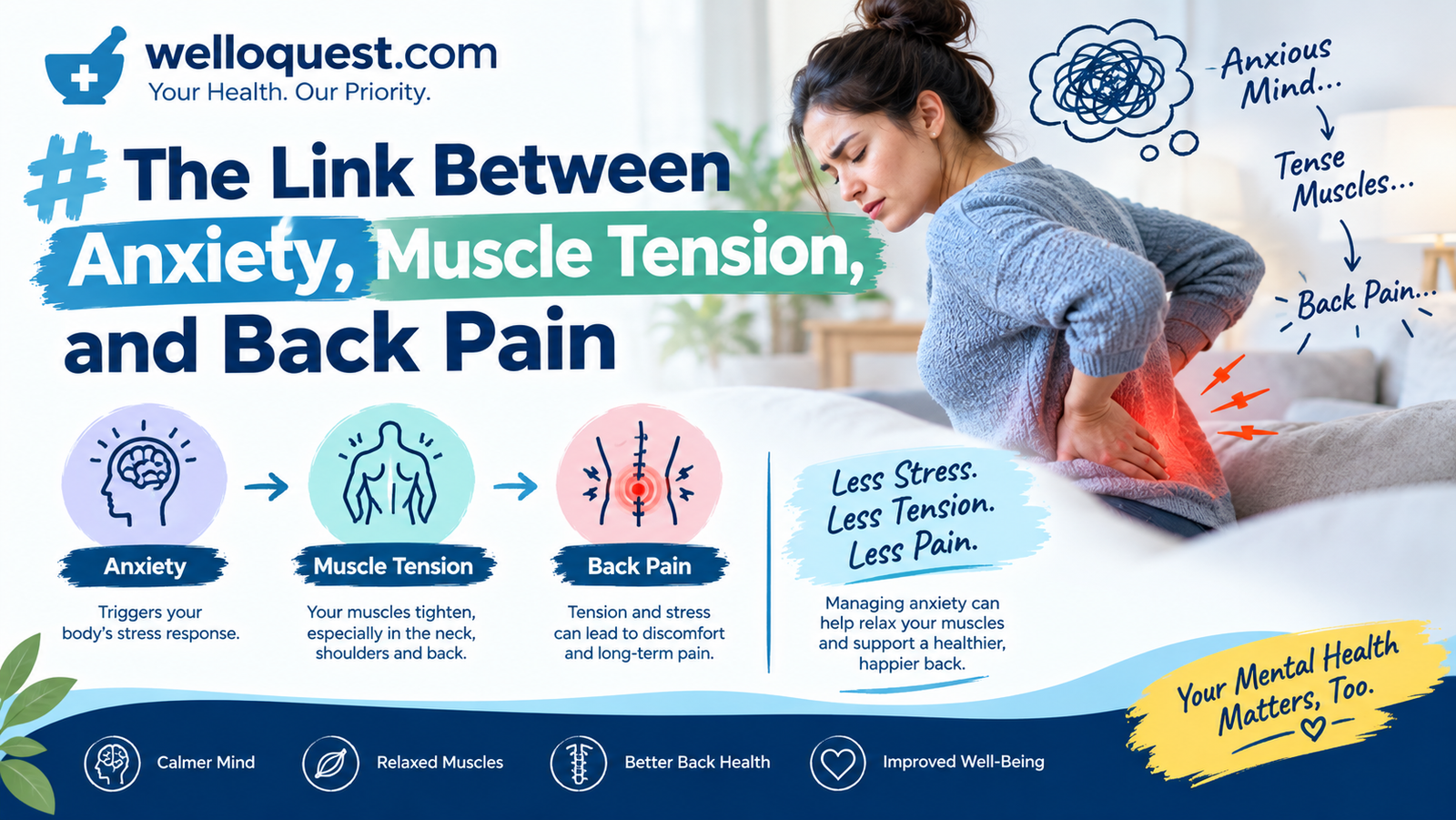
Back pain is commonly associated with physical strain, poor posture, prolonged sitting, or an injury. However, emotional stress and anxiety can also contribute to muscle tension and make existing discomfort more difficult to manage. Some people notice that their back feels tighter during stressful periods, while others experience increased worry because their pain interferes with sleep, work, or daily activities.
The connection between anxiety, muscle tension, and back pain involves both physical and emotional processes. When the body responds to stress, muscles may tighten, breathing patterns can change, and sleep may become disrupted. Over time, these factors may contribute to a cycle in which stress and discomfort reinforce one another.
Understanding this relationship can help people make informed decisions about their health. Anxiety may contribute to back pain, but it is not the only possible cause. A healthcare professional can assess persistent symptoms and recommend appropriate treatment.
How Are Anxiety, Muscle Tension, and Back Pain Connected?
Anxiety is not just a mental experience. It can trigger physical responses throughout the body, including increased alertness, a faster heartbeat, changes in breathing, and muscle tightening.
The National Institute of Mental Health identifies muscle tension, fatigue, and sleep difficulties among the symptoms that can accompany generalized anxiety disorder.
When a person feels threatened, worried, or overwhelmed, the body's stress response prepares them to react. Muscles may tighten automatically, even when the stressor is emotional rather than physical.
If this response happens frequently, a person may notice stiffness or aching around the neck, shoulders, upper back, or lower back.
Several factors may contribute to this connection:
Muscle tension: Stress may cause people to tighten their muscles without realizing it.
Changes in movement: Anxiety may lead to rigid posture, prolonged sitting, or avoiding activities.
Poor sleep: Worry and disrupted sleep can contribute to fatigue and make existing pain harder to manage.
Increased attention to discomfort: Anxiety may make someone more alert to physical sensations.
Pain-related worry: Persistent discomfort can increase fear, frustration, and emotional stress.
These effects do not mean that pain is imaginary. Pain is real, and physical and emotional factors can influence one another.
For additional background, read MedlinePlus information about stress and health.
Can Anxiety Cause Muscle Tension in the Back?
Yes. Anxiety can contribute to muscle tension in the back, neck, and shoulders. However, back pain can also result from injuries, nerve problems, joint conditions, and other medical issues.
For example, someone dealing with work pressure or ongoing personal concerns might unconsciously raise their shoulders, clench their jaw, or keep their back muscles contracted throughout the day.
Common symptoms may include:
Tightness across the lower back
Aching around the shoulder blades
Neck stiffness alongside back discomfort
Muscle fatigue after a stressful day
Increased tension when worrying
Difficulty relaxing at bedtime
The severity and location of symptoms vary from person to person. Some people notice intermittent tightness, while others experience recurring discomfort that affects everyday activities.
If pain persists, worsens, or interferes with normal movement, seek medical advice instead of assuming anxiety is the cause.
Why Can Back Pain Get Worse During Stressful Periods?
People with existing back pain may notice that their symptoms become more troublesome when they feel stressed. Several processes may explain this pattern.
1. Persistent muscle guarding
Muscle guarding occurs when muscles tighten to protect an area that feels painful or vulnerable. Although this response can be useful in certain circumstances, prolonged tension may contribute to stiffness and discomfort.
Anxiety can make it more difficult to recognize this tension. A person may continue holding their body rigidly while sitting at a desk, driving, or managing daily responsibilities.
2. Poor-quality sleep
Stress and anxiety can make it difficult to fall asleep or stay asleep. When sleep is disrupted, people may feel less rested and find existing discomfort harder to cope with.
Back pain can also interrupt sleep, creating a two-way relationship between pain and poor rest.
If sleep difficulties occur alongside anxiety, addressing both concerns may be helpful. For related information, see the Ambien medication category and discuss persistent insomnia with a qualified healthcare professional. Ambien (zolpidem) is a prescription sleep medicine, not a treatment for the underlying causes of anxiety-related back pain, and it is not appropriate for everyone.
3. Reduced physical activity
When people feel overwhelmed, they may move less or avoid activities because they fear making their pain worse. Prolonged inactivity can contribute to stiffness and reduced physical conditioning.
For many types of back pain, gradual and appropriate movement is preferable to extended bed rest. However, exercise should be adapted to the individual's symptoms and medical needs.
4. Increased attention to pain
Anxiety can make people more alert to possible threats, including physical sensations. A minor twinge may lead to repeated checking, worrying about serious illness, or anticipating that the pain will become worse.
This pattern can increase distress and make discomfort more difficult to manage. It does not mean the symptoms should be dismissed; instead, both the pain and the associated worry may need attention.
Signs That Stress May Be Contributing to Back Pain
Certain patterns may suggest that stress is contributing to muscle tension, although they cannot confirm the cause of pain.
You might notice that:
Back tightness increases during work pressure or emotional conflict.
Your shoulders or jaw feel tense when you are worrying.
Discomfort occurs alongside headaches, fatigue, or poor sleep.
Your back feels stiffer after prolonged sitting.
Relaxation or gentle movement sometimes reduces tension.
Pain and anxiety seem to increase together.
Keeping a brief symptom diary can help identify possible triggers. Record when the pain starts, where it occurs, what activities you were doing, your sleep quality, and whether you were experiencing unusual stress.
Share this information with a healthcare professional if symptoms persist or recur.
How to Manage Anxiety-Related Muscle Tension and Back Pain
Managing back discomfort may involve addressing physical strain, emotional stress, sleep habits, and other contributing factors. The best approach depends on the underlying cause.
Practice slow, comfortable breathing
Slow breathing may help some people feel calmer during periods of anxiety. Sit in a comfortable position, relax your shoulders, and breathe gently without forcing deep breaths.
Stop if the exercise makes you dizzy or uncomfortable. You can also explore MedlinePlus relaxation techniques for stress.
Take regular movement breaks
If you sit for long periods, stand up periodically and change positions. Short walks and gentle movement may help reduce stiffness.
Avoid forcing stretches that increase pain. If you have an injury, significant mobility limitations, or another medical condition, ask a healthcare professional which movements are appropriate.
Maintain a consistent sleep routine
Try to keep regular sleep and wake times, make your bedroom comfortable, and allow time to unwind before bed.
If anxiety repeatedly prevents you from sleeping, discuss it with a healthcare professional rather than self-treating with sedating medicines.
Address ongoing stress
Break overwhelming tasks into smaller steps, set realistic expectations, and make time for activities that help you relax. Speaking with a trusted person or mental health professional may also help.
Cognitive behavioral therapy (CBT) is an evidence-based treatment for several anxiety disorders. It can help people identify unhelpful thinking patterns and develop more effective ways of responding to anxious thoughts.
The National Institute of Mental Health's anxiety disorder resource provides further information about symptoms and treatment options.
Consider physical therapy
A healthcare professional may recommend physical therapy if pain is associated with movement difficulties, weakness, or recurring stiffness. A physical therapist can develop an individualized plan that may include strengthening, mobility exercises, and strategies for returning to daily activities.
Physical rehabilitation and stress management may complement one another when pain and anxiety are both affecting quality of life.
Can Medication Help With Anxiety, Muscle Tension, or Back Pain?
Medication may be appropriate for certain conditions, but the right treatment depends on the diagnosis, medical history, other medicines, and the nature of the symptoms.
Medicines used to treat anxiety are not necessarily the same as those used to manage muscle spasms or particular types of pain. They should not be considered interchangeable.
For example, Lexapro (escitalopram) is a prescription antidepressant that may be prescribed for depression and certain anxiety disorders. It is not an immediate treatment for back pain or muscle tightness, and its suitability depends on an individual's clinical circumstances.
Flexeril (cyclobenzaprine) is a muscle relaxant used for selected cases of acute muscle spasm. It does not treat anxiety itself and can cause drowsiness and other adverse effects.
Gabapentin is prescribed for certain seizure disorders and nerve pain conditions. It is not a general treatment for anxiety-related muscle tension or every type of back pain. Combining gabapentin with opioids or other central nervous system depressants can increase the risk of serious sedation and breathing problems.
Some people with specific pain conditions may be prescribed medicines such as tramadol or tapentadol. These are opioid pain medicines with significant risks, including dependence, overdose, and potentially life-threatening respiratory depression. They are not routine treatments for stress-related muscle tension and should only be considered by a qualified prescriber when clinically appropriate.
These medication links are provided for general educational context, not as recommendations to purchase or start treatment. Do not start, stop, combine, or change prescription medicines without guidance from a qualified healthcare professional. Never use another person's prescription.
For independent medicine information, consult MedlinePlus Drug Information and speak with your prescriber or pharmacist about the benefits and risks of any proposed treatment.
When Should You Seek Medical Attention for Back Pain?
Anxiety can contribute to muscle tension, but back pain may also result from muscle or ligament injuries, disc problems, arthritis, nerve compression, or other conditions.
Arrange a medical assessment if back pain persists, keeps returning, interferes with everyday activit

Start Web Audio Call
Enter your details to launch our secure web Audio call room instantly!