
- 💊 Buy Gabapentin Online
- 💊 Buy Butalbital Online
- 💊 Buy Tramadol Online
- 💊 Buy Xanax Online
- 💊 Buy Ambien Online
- 💊 Buy Carisoprodol Online
- 💊 Buy Hydrocodone Online
- 💊 Buy Alprazolam Online
- 💊 Buy Cialis Online
- 💊 Buy Clonazepam Online
- 💊 Buy Diazepam Online
- 💊 Buy Flexeril Online
- 💊 Buy Levitra Online
- 💊 Buy Lexapro Online
- 💊 Buy Lorazepam Ativan Online
- 💊 Buy Methadone Online
- 💊 Buy Viagra Online
- 💊 Buy Valium Online
- 💊 Buy Tapentadol Online
- 💊 Buy Neurontin Online
- 💊 Buy Adderall Online
Can Long-Term Stress Contribute to Chronic Pain?
- Home
- /
- Blog
- /
- Can Long-Term Stress Contribute to Chronic Pain?
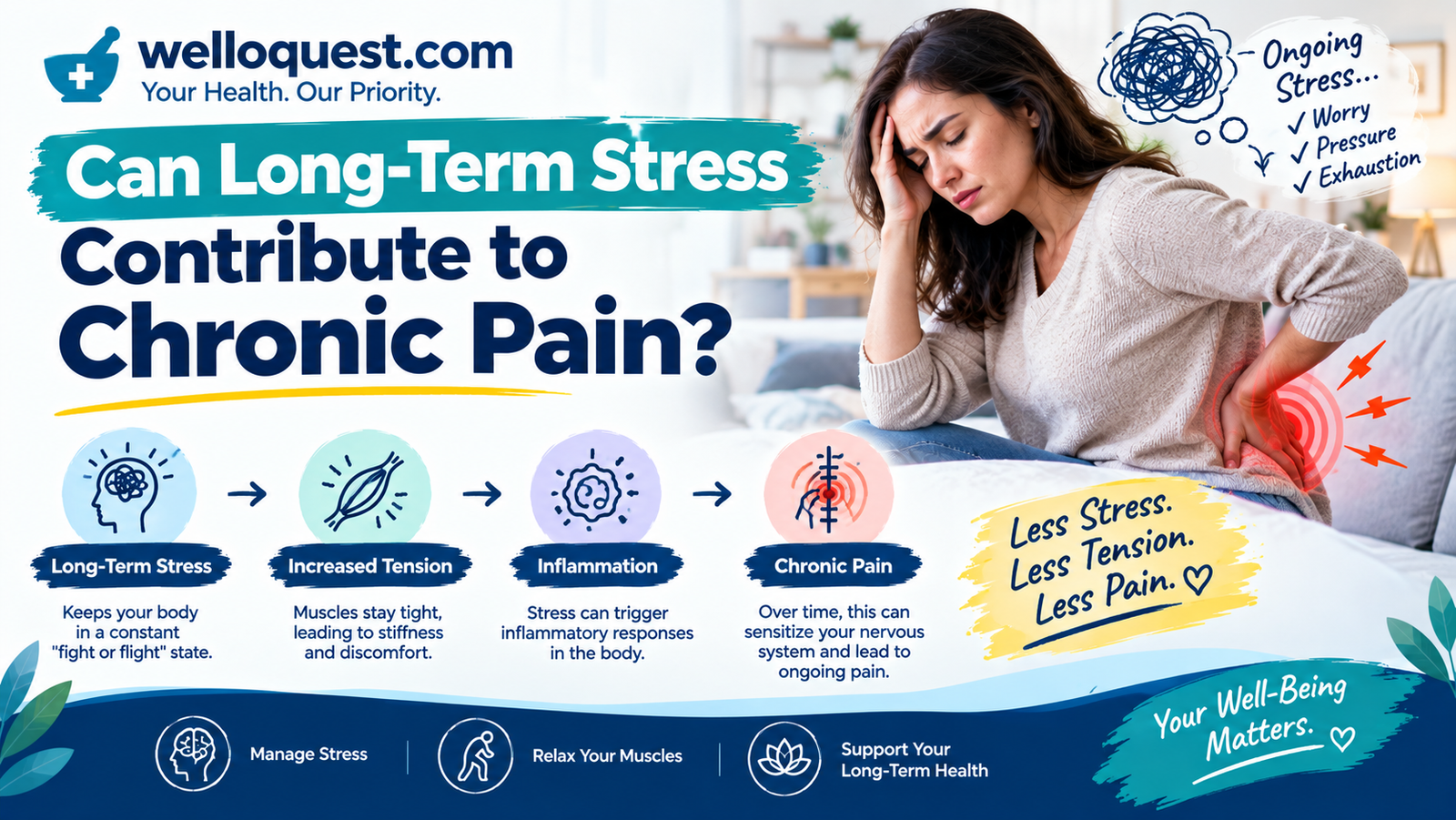
Stress is a normal part of life. Deadlines, financial concerns, family responsibilities, relationship difficulties, and health problems can all create emotional pressure. While short-term stress often fades once a challenge has passed, stress that continues for weeks or months can affect sleep, muscle tension, mood, and overall well-being.
For some people, persistent stress also makes physical discomfort more difficult to manage. An aching back may feel worse after a demanding week, headaches may become more frequent during periods of worry, or muscle tightness may continue even when there is time to rest. When these symptoms persist, it is natural to wonder whether long-term stress is contributing to chronic pain.
The relationship between stress and pain is complex. Stress does not explain every case of chronic pain, and chronic pain can develop for many different reasons. However, research supports the idea that psychological, biological, and social factors can influence how pain is experienced.
Understanding this connection can help people recognize possible triggers, seek appropriate medical care, and develop a more comprehensive approach to pain management.
What Is Chronic Stress, and How Does It Affect the Body?
Chronic stress occurs when stressful circumstances continue over an extended period or when a person repeatedly experiences situations that make it difficult to relax and recover.
Unlike short-term stress, which may help someone respond to an immediate challenge, prolonged stress can keep the body's stress-response systems activated more frequently than is helpful.
According to MedlinePlus's guide to stress and health, the body's response to stress can increase alertness, raise the pulse, and cause muscles to tense. When stress continues, it can contribute to a range of health problems.
Common sources of long-term stress include:
Ongoing pressure at work or school
Financial uncertainty or housing difficulties
Caregiving responsibilities
Persistent family or relationship conflict
Long-term health concerns
Traumatic experiences or major life changes
Insufficient time for rest and recovery
Not everyone responds to stress in the same way. One person may experience headaches or muscle tightness, while another may notice sleep problems, digestive discomfort, fatigue, or changes in mood.
The important point is that stress can affect physical health as well as emotional well-being. Recognizing its effects is useful, but physical symptoms should not automatically be attributed to stress without considering other causes.
Can Long-Term Stress Contribute to Chronic Pain?
Yes, long-term stress may contribute to chronic pain or make existing pain more difficult to manage. It can influence muscle tension, sleep, mood, activity levels, and the way the nervous system processes pain signals.
Chronic pain is generally defined as pain that continues for longer than three months or beyond the expected healing period. It may follow an injury, arise from a long-term medical condition, or occur without a clearly identifiable cause.
The National Institute of Neurological Disorders and Stroke explains that pain is influenced by biological, psychological, and social factors. These factors interact, which is one reason chronic pain can be difficult to understand and treat.
Long-term stress may affect pain in several ways:
Increased muscle tension: Muscles may remain tight during repeated periods of stress.
Sleep disruption: Poor sleep can make pain harder to tolerate and may interfere with recovery.
Changes in pain processing: Stress and emotional distress can influence the nervous system's response to pain.
Reduced physical activity: Fatigue, worry, or fear of pain may lead to less movement.
Emotional strain: Anxiety, frustration, and low mood can make living with pain more difficult.
This does not mean that chronic pain is imaginary or that stress is necessarily its original cause. A person may have a physical condition that causes pain while stress influences how intense or disruptive the symptoms feel.
How Does Stress Affect Pain Sensitivity?
The nervous system helps the body detect and respond to potentially harmful situations. Stress activates systems that prepare the body to respond to challenges, including changes in heart rate, breathing, muscle activity, and stress hormones.
When stress becomes prolonged, these responses may interact with the systems involved in pain processing.
Some people become more sensitive to discomfort during stressful periods. A sensation that is manageable on a calm day may feel more intrusive after several nights of poor sleep or a demanding period at work.
This can happen because pain is not determined by tissue damage alone. The nervous system also processes information related to attention, emotions, previous experiences, and perceived threat.
For example, a person with recurring back pain may start worrying that every episode signals another injury. This concern can increase muscle guarding, reduce confidence in movement, and make the pain more disruptive.
The goal is not to ignore pain or assume it is caused by negative thinking. Instead, understanding the interaction between stress and pain can help people identify additional ways to support recovery.
For an overview of chronic pain, its possible causes, and treatment options, visit MedlinePlus Chronic Pain.
The Connection Between Stress and Muscle Tension
One of the most noticeable physical effects of stress is muscle tension. When people feel threatened, worried, or overwhelmed, they may unconsciously tighten their shoulders, jaw, neck, or back.
Occasional tension is a normal response. Problems may arise when it occurs repeatedly without enough opportunity for relaxation.
Common experiences include:
Tightness in the neck and shoulders
Aching in the upper or lower back
Jaw clenching during stressful situations
Muscle fatigue after a demanding day
Tension headaches
Stiffness after prolonged sitting
Someone who spends hours working at a computer while worrying about deadlines may maintain a rigid posture without realizing it. Over time, prolonged sitting, limited movement, and muscle tension may contribute to discomfort.
Stress-related muscle tension is only one possible explanation for these symptoms. Injuries, joint conditions, nerve problems, and other medical conditions can produce similar complaints.
If muscle pain is persistent, severe, or unexplained, a healthcare professional can help determine what is contributing to it.
Can Stress Make Back Pain, Headaches, and Body Aches Worse?
Stress can affect different parts of the body, and people may experience more than one type of discomfort.
Back and neck pain
Stress may contribute to muscle tightening and changes in movement. People who feel overwhelmed may sit for long periods, hold their shoulders rigidly, or avoid physical activity because they are worried about making their pain worse.
These patterns can contribute to discomfort, although they do not rule out an underlying spinal, muscular, or neurological condition.
Tension headaches
Stress is a common trigger for tension headaches in some people. Tightness around the scalp, neck, and shoulder muscles may accompany a headache, although headache disorders can have several contributing factors.
Frequent or changing headaches deserve medical assessment, particularly when they interfere with daily life.
Widespread aches and fatigue
Some people experience discomfort in multiple areas while also feeling tired or emotionally drained. Poor sleep, reduced activity, and ongoing stress may contribute to these symptoms.
However, widespread pain can also occur with conditions such as fibromyalgia, inflammatory disorders, and certain neurological or medical problems. It should not automatically be explained as stress.
Existing chronic pain conditions
People already living with arthritis, nerve pain, recurring back pain, or other long-term conditions may notice that symptoms become harder to manage during stressful periods.
In these situations, addressing stress may form one part of a broader treatment plan rather than replacing medical care for the underlying condition.
How Chronic Pain Can Create More Stress
The relationship between stress and pain works in both directions. Long-term stress may make pain harder to manage, while persistent pain can create additional emotional pressure.
For example, a person with ongoing back pain may struggle to sleep comfortably, miss social activities, or find it difficult to complete work responsibilities. These challenges may lead to worry about employment, relationships, finances, or future health.
Over time, a cycle can develop:
Pain disrupts sleep and daily activities.
Poor sleep and reduced activity increase fatigue.
Fatigue and uncertainty contribute to stress or anxiety.
Stress makes pain more difficult to cope with.
Increased discomfort creates further worry and activity limitations.
This pattern can be discouraging, especially when symptoms continue despite efforts to feel better.
Breaking the cycle may require attention to both physical and emotional needs. Appropriate medical assessment, gradual movement, sleep support, and psychological treatment can sometimes work together to improve function and quality of life.
Signs That Stress May Be Affecting Your Pain
Stress may be one factor contributing to pain when symptoms repeatedly change alongside stressful circumstances. However, these patterns are clues rather than a diagnosis.
You may notice that:
Pain becomes more noticeable during periods of intense worry.
Your shoulders, jaw, or back feel tighter when you are under pressure.
Symptoms worsen after several nights of poor sleep.
You feel more fatigued when pain and stress occur together.
You avoid movement because you fear triggering discomfort.
Pain causes worry that makes it difficult to relax.
A simple symptom diary may help you identify patterns. Record when the pain occurs, where you feel it, how intense it is, what activities you were doing, how well you slept, and whether unusual stress was present.
Share this information with your healthcare professional. The diary may help guide a discussion, but it cannot establish that stress is the cause.
Practical Ways to Manage Stress Alongside Chronic Pain
Stress management cannot guarantee that chronic pain will disappear. However, some approaches may help people improve sleep, reduce muscle tension, cope with distress, and participate more comfortably in daily activities.
1. Use gentle relaxation techniques
Slow, comfortable breathing, mindfulness, and progressive muscle relaxation may help some people reduce physical tension.
For progressive muscle relaxation, a person gently tightens and then releases selected muscle groups, provided the movements are comfortable and safe for them. Avoid tightening areas that are injured or painful.
The National Center for Complementary and Integrative Health provides information about stress and relaxation approaches.
2. Keep moving within your abilities
When pain persists, it may be tempting to stop physical activity completely. However, for many chronic pain conditions, appropriately paced movement can support mobility and physical function.
Depending on your condition, this might involve short walks, gentle stretching, or exercises recommended by a physical therapist.
Start gradually, respect your limits, and seek professional advice if movement significantly worsens symptoms or you have a condition requiring specific precautions.
3. Improve sleep habits
Poor sleep can make pain and stress more difficult to manage. Consider keeping a regular sleep schedule, reducing stimulating activities before bedtime, and making your sleeping environment comfortable.
If pain repeatedly wakes you or anxiety prevents you from sleeping, speak with a healthcare professional about possible causes and treatment options.
For people considering prescription sleep medicines, the Ambien category page is a medication-related reference, not a recommendation to self-treat. Zolpidem is intended for selected sleep problems and carries important safety risks; it does not treat the underlying cause of chronic pain.
4. Address anxiety and emotional distress
Ongoing worry can be exhausting, especially when it occurs alongside persistent physical symptoms. Speaking with a mental health professional may help people develop ways to cope with uncertainty, frustration, and fear related to pain.
Cognitive behavioral therapy (CBT) is one approach used to help people recognize unhelpful thought patterns and develop practical coping skills. It can also help address anxiety that interferes with sleep, activity, or medical treatment.
For general information about anxiety disorders and treatment, visit the National Institute of Mental Health.
5. Set realistic daily goals
Chronic pain can make everyday responsibilities feel overwhelming. Instead of trying to complete everything at once, divide activities into manageable steps and take breaks before fatigue becomes severe.
This approach, often called pacing, may help people balance activity and rest. The aim is to maintain useful activity without repeatedly pushing beyond current limits.
6. Build a support system
Pain can feel isolating, particularly when other people do not understand why symptoms persist. Talking with trusted friends, family members, healthcare professionals, or appropriate support groups may reduce isolation and help people find practical solutions.
Support does not replace medical treatment, but it can make the experience of living with chronic pain less overwhelming.
What Role Can Medication Play in Chronic Pain Management?
Medication may be useful for certain pain conditions, but there is no single medicine that treats every type of chronic pain. Treatment depends on the underlying cause, symptom pattern, medical history, other medicines, and individual risks.
For example, gabapentin may be prescribed for certain types of nerve pain, but it is not a general treatment for every type of chronic pain or stress-related muscle tension.
Flexeril (cyclobenzaprine) is a muscle relaxant used in selected cases of acute muscle spasm. It is not a treatment for chronic stress itself, and it can cause drowsiness and other adverse effects.
Some patients may be prescribed medicines such as Lexapro (escitalopram) for a diagnosed mental health condition. It is an antidepressant, not a general painkiller, and any potential role in treatment depends on the individual's clinical circumstances.
Opioid medicines, including tramadol and tapentadol, have significant risks, including dependence, overdose, and dangerously slowed breathing. They are not routine treatments for stress-related pain and should only be considered by a qualified prescriber when clinically appropriate.
These links provide general medication information and do not constitute a recommendation to start treatment or purchase prescription medicines. Do not start, stop, combine, or change any prescription medication without consulting a qualified healthcare professional. Some medicines can interact dangerously with alcohol, sedatives, or other drugs.
For independent information about medications and their uses, consult MedlinePlus Drug Information.
When Should You Seek Medical Advice for Chronic Pain?
Pain that lasts for months deserves appropriate evaluation, even when stress appears to influence the symptoms. A healthcare professional may review your medical history, examine the affected area, assess your movement and neurological function, and decide whether additional testing is needed.
Arrange an appointment if pain:
Lasts longer than expected or keeps returning
Interferes with work, sleep, mobility, or daily activities
Becomes progressively worse
Occurs with persistent fatigue or other unexplained symptoms
Does not improve with appropriate self-care
Leads to significant anxiety or low mood
Seek urgent or emergency care for severe or rapidly worsening symptoms, particularly back pain with new bladder or bowel dysfunction, numbness around the groin or saddle area, or significant new weakness in the legs. These may indicate a serious neurological problem.
The most effective approach is to investigate possible physical causes while also considering how stress, sleep, and emotional well-being may influence symptoms.
Frequently Asked Questions
1. Can long-term stress cause chronic pain?
Long-term stress may contribute to pain or make existing pain harder to manage by affecting muscle tension, sleep, emotional well-being, and pain processing. Chronic pain also has many possible physical and neurological causes, so an assessment may be necessary.
2. How long does stress-related pain last?
There is no fixed duration. Discomfort may improve when a stressful period passes, while recurring stress or an underlying medical condition may contribute to persistent symptoms. Pain that continues or worsens should be assessed.
3. Can chronic stress cause muscle and joint pain?
Stress may contribute to muscle tension and influence how pain is experienced. However, joint pain can also arise from arthritis, inflammation, injury, and other conditions. Persistent joint symptoms should not automatically be attributed to stress.
4. Does anxiety make chronic pain worse?
For some people, anxiety can make pain more difficult to manage by increasing vigilance, disrupting sleep, or contributing to muscle tension. Treating anxiety may help improve coping and daily functioning, although it may not eliminate the underlying pain.
5. Can stress management reduce chronic pain?
Stress management may help some people improve relaxation, sleep, and their ability to cope with discomfort. It is generally best considered one part of an individualized pain-management plan rather than a guaranteed cure.
6. What is the difference between acute pain and chronic pain?
Acute pain usually develops suddenly and is often associated with injury, illness, or another identifiable cause. Chronic pain generally continues for more than three months or beyond the expected healing period and may involve several interacting factors.
7. Should I take medication for stress-related pain?
Medication depends on the cause of the pain and the person's medical history. A healthcare professional can discuss appropriate options, potential benefits, and risks. Do not self-medicate with prescription painkillers or sedatives.
8. When should I see a doctor about stress and pain?
Seek medical advice if pain persists, worsens, or affects your daily life. Urgent evaluation is important when pain occurs with new neurological symptoms, bladder or bowel dysfunction, severe injury, or other concerning changes.
Conclusion
Long-term stress can contribute to chronic pain or make existing discomfort more difficult to manage. Its effects may involve muscle tension, disrupted sleep, emotional distress, reduced activity, and changes in the way the nervous system processes pain.
Recognizing these connections can help people develop a more comprehensive approach to well-being. Gentle activity, relaxation strategies, improved sleep habits, social support, and appropriate professional care may all have a role, depending on the cause of the symptoms.
Most importantly, chronic pain should not be dismissed as simply stress-related. Physical conditions and emotional factors can coexist, and both deserve attention. A healthcare professional can help identify possible causes and develop a treatment plan tailored to the individual's needs.

Start Web Audio Call
Enter your details to launch our secure web Audio call room instantly!