
- 💊 Buy Gabapentin Online
- 💊 Buy Butalbital Online
- 💊 Buy Tramadol Online
- 💊 Buy Xanax Online
- 💊 Buy Ambien Online
- 💊 Buy Carisoprodol Online
- 💊 Buy Hydrocodone Online
- 💊 Buy Alprazolam Online
- 💊 Buy Cialis Online
- 💊 Buy Clonazepam Online
- 💊 Buy Diazepam Online
- 💊 Buy Flexeril Online
- 💊 Buy Levitra Online
- 💊 Buy Lexapro Online
- 💊 Buy Lorazepam Ativan Online
- 💊 Buy Methadone Online
- 💊 Buy Viagra Online
- 💊 Buy Valium Online
- 💊 Buy Tapentadol Online
- 💊 Buy Neurontin Online
- 💊 Buy Adderall Online
How Sleep and Stress Can Influence the Experience of Pain
- Home
- /
- Blog
- /
- How Sleep and Stress Can Influence the Experience of Pain
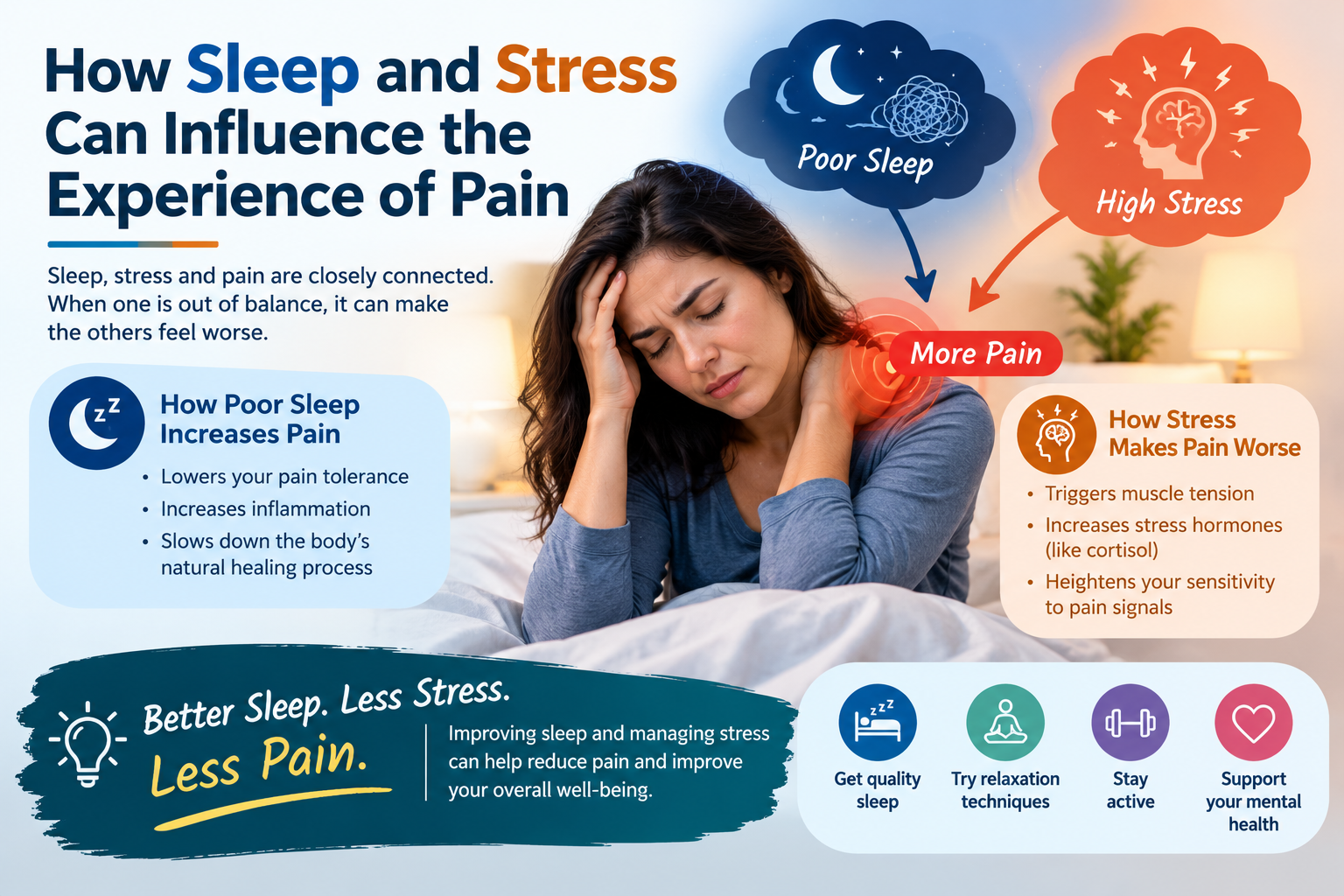
Sleep, stress, and physical pain are closely connected. A poor night's sleep can make everyday discomfort feel more intense, while prolonged stress may contribute to muscle tension, headaches, and difficulty relaxing. When pain repeatedly interrupts sleep, fatigue can make it harder to manage daily responsibilities, creating a cycle that affects both physical and emotional well-being.
Understanding how sleep and stress can influence the experience of pain can help you recognize patterns, improve your sleep habits, and identify when professional medical advice is needed.
This guide from JustinMedz explores the relationship between sleep, stress, and pain, along with practical ways to manage symptoms safely. It also explains why pain should not automatically be attributed to stress and why medication decisions should be based on individual medical needs.
How Are Sleep, Stress, and Pain Connected?
Sleep supports physical recovery, memory, emotional regulation, and normal nervous system function. Stress activates the body's response to challenging situations, sometimes increasing muscle tension and making it difficult to relax. Pain involves the nervous system's processing of signals associated with actual or potential tissue damage, as well as other factors that shape the experience of discomfort.
These processes can influence one another. Poor sleep may increase sensitivity to pain, while stress can interfere with sleep and make existing symptoms harder to manage.
For example, someone with recurring back discomfort may wake repeatedly because changing positions is uncomfortable. The following day, fatigue may make work more challenging, increasing stress and muscle tension. By bedtime, the person may find it difficult to relax and fall asleep again.
This does not mean the pain is imaginary or that stress is always its cause. Pain may also result from injuries, inflammatory conditions, nerve problems, or other medical issues that require specific treatment.
For more health and medication education, readers can explore the JustinMedz health blog for additional pharmacy-related information.
1. Why Poor Sleep Can Make Pain Feel Worse
Sleep quality influences how the brain and nervous system respond to sensory information. When sleep is insufficient or frequently interrupted, some people become more sensitive to discomfort and find it harder to cope with existing pain.
Research on sleep disturbances and chronic pain suggests that the two problems can be closely associated. The relationship varies between individuals, but addressing sleep difficulties may form a useful part of a broader pain-management plan.
Increased pain sensitivity
After a night of inadequate sleep, muscle soreness, headaches, and joint discomfort may feel more intense. This can happen even when the underlying condition has not noticeably changed.
Sleep loss can affect pain-processing pathways and the brain's ability to regulate responses to uncomfortable sensations.
Lower tolerance for discomfort
Poor sleep can affect mood, concentration, patience, and emotional regulation. As a result, pain that normally feels manageable may become more difficult to tolerate.
This does not mean that pain is simply psychological. It means that sleep affects several systems involved in the overall experience of discomfort.
Fatigue and reduced physical activity
People who feel exhausted may move less, skip rehabilitation exercises, or struggle to maintain their usual routines. In some cases, prolonged inactivity can contribute to stiffness or reduced physical conditioning.
Gentle movement may help some types of pain, but the appropriate approach depends on the underlying condition. Severe, persistent, or unexplained symptoms should be assessed by a healthcare professional.
2. How Stress Can Contribute to Physical Pain
Stress is a normal response to difficult situations. Short-term stress may help a person respond to a challenge, but prolonged stress can affect sleep, muscle tension, and the way the nervous system processes discomfort.
According to the National Center for Complementary and Integrative Health, stress can affect health in several ways, including contributing to sleep difficulties and worsening some physical symptoms.
Muscle tension and soreness
Stress can cause people to tighten their shoulders, neck, jaw, or back without realizing it. Maintaining this tension for long periods may contribute to soreness and discomfort.
For example, someone working through a demanding deadline might clench their jaw or raise their shoulders throughout the day. By evening, they may notice neck stiffness or a tension-type headache.
Muscle tension is only one possible explanation for these symptoms. Persistent pain, particularly when accompanied by numbness, weakness, or other new symptoms, requires appropriate assessment.
Changes in pain processing
Stress-related changes in nervous system activity can influence how the body processes pain signals. The effects vary according to the individual, the duration of stress, and other health factors.
Some people notice that discomfort increases during stressful periods. Others find that symptoms become more noticeable after a busy or demanding situation has ended.
Worry and attention to pain
When someone is worried about pain, they may repeatedly check whether it has improved or become more intense. Constantly monitoring discomfort can make it difficult to focus on other activities and may increase distress.
The aim is not to ignore symptoms. Instead, it is to acknowledge pain, respond appropriately, and avoid allowing fear about symptoms to dominate every part of daily life.
3. The Sleep-Stress-Pain Cycle
Sleep disruption, stress, and pain can reinforce one another. Understanding this pattern can help people recognize why treating only one part of the problem may not always be enough.
Consider someone experiencing recurring lower-back discomfort:
Pain interrupts sleep. Finding a comfortable position becomes difficult, leading to repeated waking.
Fatigue affects the next day. Concentration and patience decline, and ordinary tasks feel more demanding.
Stress increases. Work and personal responsibilities become harder to manage.
Muscle tension develops. The person may unconsciously tighten the back, neck, and shoulders.
Pain becomes harder to manage. Discomfort and worry about another poor night's sleep continue.
This pattern is not inevitable, and it does not explain every pain condition. An underlying injury or medical problem may still need targeted treatment.
Recognizing the cycle can help patients explain their symptoms more clearly during medical appointments. Instead of discussing pain alone, they can also describe sleep quality, stress levels, daily activities, and medication use.
4. Common Types of Pain That May Be Affected
Sleep disruption and stress can influence different types of discomfort, although the relationship varies from person to person.
Headaches
Stress, fatigue, and changes in sleep routines may contribute to headaches or aggravate existing headache disorders. Symptoms may become more noticeable after a demanding day or several nights of interrupted sleep.
A sudden, extremely severe headache or one accompanied by weakness, confusion, or other serious symptoms requires urgent medical assessment.
Neck and shoulder pain
Long periods at a desk, awkward posture, and muscle tension may contribute to neck and shoulder discomfort. Poor sleep can make these symptoms more difficult to tolerate.
Adjusting workstation ergonomics, taking movement breaks, and practicing gentle relaxation may help when muscle tension is involved. Persistent symptoms should be assessed to rule out other causes.
Back pain
Stress and poor sleep may complicate the experience of back pain, but they should not automatically be considered its cause. Back pain can arise from muscle strain, joint conditions, nerve irritation, or other medical problems.
Gradual movement and an individualized rehabilitation plan may help some people. However, new leg weakness, numbness around the groin, or loss of bladder or bowel control alongside back pain requires urgent medical attention.
Nerve-related pain
Some nerve-related conditions cause burning, tingling, shooting pain, or unusual sensitivity. Sleep disruption and stress may make these symptoms more difficult to cope with, but they do not establish the cause.
Patients seeking general information about medicines used for certain nerve-pain conditions can review the JustinMedz gabapentin category. Gabapentin is appropriate for some conditions but is not a general treatment for stress, ordinary muscle soreness, or sleep-related discomfort. A qualified clinician must determine whether it is suitable for an individual.
Widespread muscle aches
Some people experience more widespread soreness during prolonged stressful periods or after several nights of poor sleep. Other possible causes include infections, medication effects, inflammatory conditions, and physical overexertion.
If widespread pain is persistent, unexplained, or accompanied by fever or significant weakness, seek medical advice rather than assuming stress is responsible.
5. Practical Ways to Improve Sleep and Manage Stress
Improving sleep and managing stress will not eliminate every type of pain. However, practical changes may help some people improve rest, cope with discomfort, and maintain daily activities.
Maintain a consistent sleep schedule
Try to go to bed and wake up at reasonably consistent times. A regular schedule can help support the body's sleep-wake rhythm.
Most adults need at least seven hours of sleep each night, although individual needs vary. Sleep quality matters as well as duration.
The CDC's sleep guidance provides additional information about healthy sleep habits.
Develop a relaxing bedtime routine
Set aside time to wind down before bed. Reading, listening to calming music, taking a warm shower, or practicing gentle breathing may help you relax.
Keep the bedroom dark, quiet, and comfortable. Reduce stimulating activities before bedtime if you notice that they make it harder to fall asleep.
Avoid using alcohol as a sleep aid. Although alcohol may initially cause drowsiness, it can disrupt sleep later in the night.
Practice stress-management techniques
Slow breathing, mindfulness, meditation, and progressive muscle relaxation may help some people manage stress.
Progressive muscle relaxation involves gently tensing and releasing selected muscle groups, provided doing so does not aggravate an injury or painful condition. The goal is to recognize tension and practice releasing it.
Start with a few minutes and choose an approach that feels manageable. Stop if an exercise increases pain, dizziness, or distress.
Stay physically active within your limits
Appropriate physical activity can support mobility, mood, and sleep. Walking, gentle stretching, swimming, or a clinician-recommended exercise program may be suitable depending on the cause of the pain.
Increase activity gradually rather than pushing through severe discomfort. If you have a recent injury, significant weakness, or a medical condition that affects movement, ask a healthcare professional which activities are appropriate.
Review caffeine and other substances
Caffeine late in the day may interfere with sleep. Nicotine can also affect rest, while alcohol and sedating substances may alter sleep quality and alertness.
Consider whether the timing of caffeine or other substances affects your symptoms. Do not abruptly stop a medication or substance that may cause withdrawal without appropriate medical guidance.
Keep a symptom diary
A simple diary can help you identify patterns over one or two weeks. Consider recording:
Approximate bedtime and wake-up time.
How often you wake during the night.
The location and intensity of your pain.
Stressful events or unusual physical activity.
Caffeine, alcohol, and medication changes.
Activities or habits that seem to improve or worsen symptoms.
A diary cannot diagnose a condition, but it can help you explain your symptoms during a healthcare appointment.
6. When Should You Seek Medical Advice?
Do not assume that pain is caused by stress or poor sleep simply because symptoms occur during a difficult period.
Arrange a medical evaluation if pain persists, repeatedly interrupts sleep, limits normal activities, worsens over time, or has no clear explanation. Seek advice if sleep difficulties continue despite changes to your routine.
A clinician may ask about your symptoms, medical history, sleep habits, stress levels, previous injuries, and medicines. Depending on the findings, an examination or further testing may be needed.
Seek urgent medical attention for severe or rapidly worsening pain, new weakness or numbness, pain after a significant injury, or other concerning symptoms. Call emergency services for potentially life-threatening symptoms, including severe breathing difficulty, sudden chest pain, or signs of a stroke.
7. How Medication Fits Into Pain Management
Medication may be appropriate for some pain conditions, but the right treatment depends on the cause of pain, medical history, other medicines, and potential adverse effects.
Some medicines are intended for short-term symptom relief, while others may be used as part of a longer-term treatment plan. Prescription medicines should only be used as directed by the prescribing healthcare professional.
People experiencing pain alongside sleep problems should be especially careful with medicines that cause drowsiness. Combining opioids with alcohol, sleeping pills, benzodiazepines, or other sedating substances can cause dangerous breathing suppression. Do not combine these substances unless a qualified clinician has specifically assessed the combination and provided instructions.
For readers researching prescription sleep medicines, the JustinMedz Ambien category provides product-related information. This is not a recommendation to use a sleeping medication for pain or stress. Persistent insomnia may require clinical evaluation, and prescription medicines should only be used when appropriately prescribed.
Likewise, muscle relaxants are not suitable for every type of muscle discomfort. The JustinMedz Flexeril category can be consulted for general product information, but a healthcare professional should determine whether a particular treatment is appropriate.
Patients should also be cautious about combining sedating medicines. For example, carisoprodol is a muscle relaxant that can cause drowsiness and has misuse and dependence risks. Its JustinMedz carisoprodol category should not be treated as a substitute for medical advice or an endorsement to use it for stress-related pain.
Do not start a prescription medicine, change its dose, or take someone else's medication simply because your symptoms seem similar. If you have questions about prescription requirements or medication information, you can contact JustinMedz support, while consulting a qualified clinician or pharmacist for medical advice.
8. Treating Sleep and Stress as Part of a Broader Pain Plan
A useful pain-management plan considers the whole picture rather than focusing on a single symptom.
Depending on the condition, treatment may include addressing the underlying cause, appropriate medication, physical therapy, sleep support, stress-management strategies, and follow-up appointments. Psychological approaches, including cognitive behavioral therapy, may also help some people cope with chronic pain or persistent insomnia.
This does not mean that a person can overcome pain through positive thinking. It means that several factors can influence pain, daily function, and quality of life, and each may deserve attention.
Small changes can be worthwhile. A regular sleep schedule, manageable daily movement, a relaxing bedtime routine, and greater awareness of stress patterns may help some people feel more in control. If these measures are not enough, professional support can help identify other treatment options.
Frequently Asked Questions
1. Can lack of sleep make pain feel worse?
Yes. Insufficient or disrupted sleep can increase pain sensitivity and make existing discomfort harder to tolerate. Persistent pain may still require medical evaluation and treatment.
2. Can stress cause muscle pain without an injury?
Stress can contribute to muscle tension and discomfort, particularly in the neck, shoulders, jaw, and back. However, persistent or unexplained pain should not automatically be attributed to stress.
3. Can pain cause insomnia?
Yes. Pain can make it difficult to fall asleep, remain asleep, or find a comfortable position. Sleep disruption can then increase fatigue and make pain harder to manage.
4. Does improving sleep reduce chronic pain?
Improving sleep may help some people manage pain and function better, but the results depend on the underlying condition. Better sleep is one part of a broader treatment plan, not a guaranteed cure.
5. What is the relationship between anxiety and pain?
Anxiety can increase muscle tension, disturb sleep, and make a person more attentive to uncomfortable sensations. Pain itself can also cause anxiety. Both symptoms deserve appropriate attention.
6. Which sleeping position is best for pain?
There is no single sleeping position that works for everyone. A comfortable position that supports the neck and spine may help, but the best approach depends on the location and cause of pain. Persistent or worsening symptoms should be discussed with a healthcare professional.
7. Should I take pain medication to help me sleep?
Do not use pain medication solely as a sleep aid unless a healthcare professional has recommended it for your situation. Some medicines can cause sedation or dangerous interactions, while sleep problems may need separate evaluation.
8. When should I see a doctor for pain and sleep problems?
Seek medical advice if pain repeatedly disrupts sleep, lasts longer than expected, worsens, or interferes with daily activities. Seek urgent care for new neurological symptoms, serious injury, or other warning signs.
Conclusion
Sleep, stress, and pain can influence one another in ways that affect everyday life. Poor sleep may increase sensitivity to discomfort, while prolonged stress can contribute to muscle tension and difficulty relaxing. Persistent pain can then interfere with rest, making the cycle harder to break.
A consistent sleep schedule, practical stress-management strategies, suitable physical activity, and a symptom diary may help you recognize patterns and improve day-to-day coping. These steps should complement—not replace—medical assessment when symptoms persist or warning signs appear.
For additional health and medication education, visit the JustinMedz health blog. If you are researching a particular medicine, use product information as a starting point for questions and discuss your symptoms and treatment options with a qualified healthcare professional.

Start Web Audio Call
Enter your details to launch our secure web Audio call room instantly!