
- 💊 Buy Gabapentin Online
- 💊 Buy Butalbital Online
- 💊 Buy Tramadol Online
- 💊 Buy Xanax Online
- 💊 Buy Ambien Online
- 💊 Buy Carisoprodol Online
- 💊 Buy Hydrocodone Online
- 💊 Buy Alprazolam Online
- 💊 Buy Cialis Online
- 💊 Buy Clonazepam Online
- 💊 Buy Diazepam Online
- 💊 Buy Flexeril Online
- 💊 Buy Levitra Online
- 💊 Buy Lexapro Online
- 💊 Buy Lorazepam Ativan Online
- 💊 Buy Methadone Online
- 💊 Buy Viagra Online
- 💊 Buy Valium Online
- 💊 Buy Tapentadol Online
- 💊 Buy Neurontin Online
- 💊 Buy Adderall Online
What Are the Early Warning Signs of Depression?
- Home
- /
- Blog
- /
- What Are the Early Warning Signs of Depression?
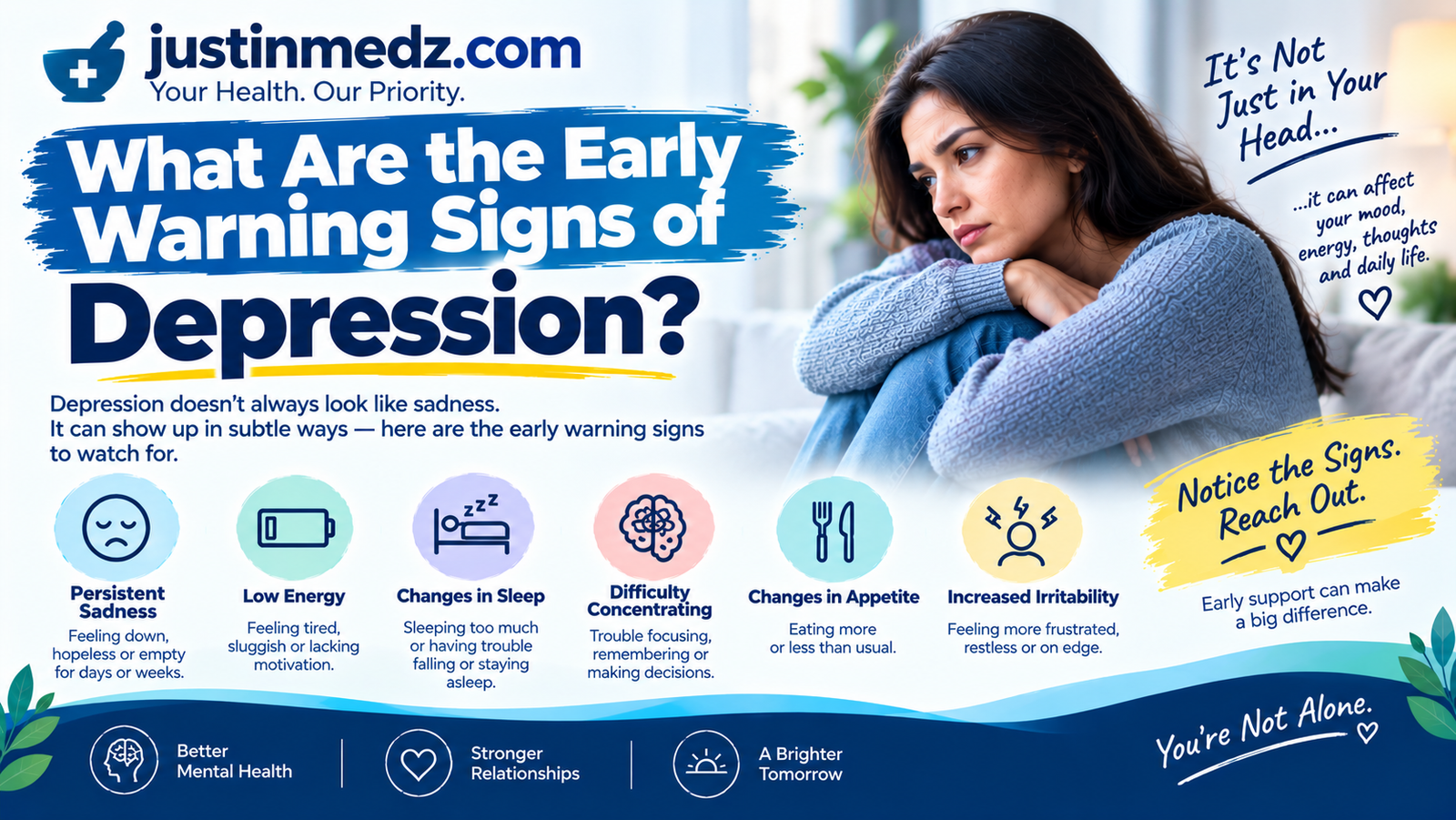
Depression can develop gradually, making its early warning signs difficult to recognize. A person may begin sleeping poorly, lose interest in activities they once enjoyed, feel tired throughout the day, or struggle to concentrate. These changes are sometimes mistaken for ordinary stress or temporary sadness, especially when they develop over several weeks.
Recognizing the early warning signs of depression can help people seek appropriate support before symptoms significantly affect their relationships, work, education, or daily routines. Depression can influence mood, thoughts, physical health, motivation, and behavior. It is not simply a matter of being unhappy or lacking willpower.
This guide explains the common early symptoms of depression, how they differ from temporary sadness, when to seek professional help, and what steps may support recovery.
What Are the Early Warning Signs of Depression?
Early warning signs may include persistent sadness, reduced interest in activities, sleep disturbances, low energy, difficulty concentrating, changes in appetite, irritability, social withdrawal, and feelings of guilt or hopelessness.
Not everyone experiences the same symptoms. Some people primarily notice emotional changes, while others first experience fatigue, disrupted sleep, or difficulty managing ordinary responsibilities.
The National Institute of Mental Health's depression guide explains that symptoms can affect how a person feels, thinks, and manages everyday activities. Symptoms that persist, occur together, or interfere with daily functioning deserve attention.
1. Persistent Sadness or Low Mood
One of the most recognizable signs of depression is a low mood that continues for much of the day and occurs on many days. A person may feel sad, empty, discouraged, or emotionally exhausted without understanding exactly why.
Unlike temporary sadness associated with a specific event, depressive feelings may remain even when circumstances improve. Some people describe feeling disconnected from their surroundings or finding it difficult to experience positive emotions.
A persistent low mood does not automatically mean someone has depression. However, when it occurs alongside other symptoms or affects everyday life, it is worth discussing with a qualified healthcare professional.
2. Losing Interest in Activities You Once Enjoyed
A noticeable loss of interest or pleasure is another important warning sign. Activities that previously felt rewarding—such as meeting friends, exercising, listening to music, cooking, or pursuing hobbies—may begin to feel tiring or meaningless.
Someone may continue attending social events or completing responsibilities but experience little enjoyment. Others may gradually stop participating in activities altogether.
This change is sometimes mistaken for laziness or a lack of motivation. In reality, reduced interest can be a central symptom of depression and deserves attention when it persists.
3. Changes in Sleep Patterns
Depression can affect sleep in several ways. Some people struggle to fall asleep, wake repeatedly during the night, or wake much earlier than intended. Others sleep for longer periods but still feel unrefreshed.
Poor sleep can worsen concentration, emotional regulation, and energy levels, creating a difficult cycle. Sleep problems may also have other causes, including anxiety, medication effects, physical health conditions, or an irregular schedule.
If sleep changes continue alongside low mood or loss of interest, a healthcare professional can help assess the possible causes. For additional background, see the NHS guidance on depression symptoms.
People exploring sleep-related medication information through JustinMedz should not assume that a sleep medicine treats depression. For example, the Ambien category page concerns a sleep medication, not a general treatment for depression. Medication decisions should be discussed with a qualified prescriber.
4. Persistent Fatigue and Low Energy
Feeling exhausted despite getting enough rest can be an early sign of depression. Everyday tasks such as showering, preparing meals, answering messages, or completing work may require more effort than usual.
This fatigue is not always resolved by sleeping longer. Some people feel physically heavy or mentally drained, while others find it difficult to initiate even simple activities.
Fatigue can also be associated with anemia, thyroid disorders, sleep disorders, nutritional deficiencies, and other medical conditions. It is important not to assume that tiredness is caused by depression without an appropriate assessment.
5. Difficulty Concentrating or Making Decisions
Depression can affect attention, memory, and decision-making. A person may find it difficult to follow conversations, read without losing focus, remember appointments, or finish familiar tasks.
Even minor decisions can begin to feel overwhelming. Work performance or academic progress may decline, sometimes before the person recognizes that their mood has changed.
Concentration difficulties can occur for many reasons, including inadequate sleep, stress, anxiety, and other health conditions. They should be considered alongside other emotional, physical, and behavioral changes rather than treated as proof of a particular diagnosis.
6. Irritability and Increased Emotional Sensitivity
Depression does not always appear as sadness. Some people become more irritable, impatient, frustrated, or sensitive to criticism than usual.
Small disagreements may feel unusually upsetting, and ordinary responsibilities may trigger feelings of overwhelm. In children and adolescents, irritability can sometimes be more noticeable than sadness.
If emotional reactions have changed significantly and remain difficult to manage, consider whether sleep disruption, prolonged stress, depression, or another issue may be contributing.
7. Withdrawing From Friends and Family
A person experiencing depression may stop responding to messages, cancel plans, avoid conversations, or spend more time alone. Social interaction can feel exhausting, even when the person values their relationships.
Some people withdraw because they lack energy, while others worry about being judged or feel unable to explain what they are experiencing.
Although spending time alone is not inherently unhealthy, a sustained change in social behavior may indicate that someone needs support. The NHS guide to helping someone with depression offers practical advice for supporting a person without judgment or pressure.
8. Feelings of Guilt, Worthlessness, or Hopelessness
Persistent self-criticism can be another warning sign. Someone may believe they are failing, disappointing others, or creating problems for their family, even when the evidence does not support those conclusions.
They may focus repeatedly on past mistakes or feel pessimistic about the future. These thoughts can become more intense as depression progresses.
It is helpful to distinguish a temporary feeling of disappointment from persistent beliefs that one is worthless or that nothing will improve. When such thoughts are frequent, distressing, or interfere with daily life, professional support is important.
9. Changes in Appetite or Body Weight
Depression may affect appetite in different ways. Some people lose interest in food, skip meals, or notice an unintentional decrease in weight. Others eat more frequently, experience cravings, or gain weight.
These changes may occur alongside fatigue, sleep problems, or reduced motivation to prepare meals.
Appetite and weight changes can also result from physical illnesses, medication effects, and other circumstances. Sudden or unexplained changes should be discussed with a healthcare professional, especially when accompanied by mood changes.
10. Unexplained Aches, Pains, or Physical Discomfort
Depression can occur alongside physical symptoms, including headaches, muscle tension, digestive discomfort, or persistent aches. Some people seek help for these symptoms before recognizing any emotional difficulties.
The relationship between physical and emotional health is complex. Pain can affect mood, and depression can influence how a person experiences and manages pain. Neither explanation should be assumed without considering other possible causes.
For broader information on the connection between physical symptoms and depression, consult the MedlinePlus depression resource. Persistent or worsening physical symptoms deserve appropriate medical evaluation.
JustinMedz also has medication category information, including Gabapentin. This link is for product-category information only; gabapentin is not a general treatment for depression, and its suitability depends on a clinician's assessment.
11. Difficulty Managing Everyday Responsibilities
Another possible early sign is a decline in everyday functioning. Someone may struggle to keep up with household tasks, personal hygiene, work deadlines, school assignments, or regular meals.
Tasks that once felt routine can seem unusually demanding. A person may procrastinate, miss appointments, or feel overwhelmed by a growing list of responsibilities.
Rather than interpreting these changes as a character flaw, consider whether persistent fatigue, low mood, sleep problems, or concentration difficulties are making daily life harder.
12. Increased Reliance on Alcohol or Other Substances
Some people turn to alcohol or other substances to temporarily escape emotional distress or help themselves sleep. Although this may provide short-lived relief, it can worsen mood, disrupt sleep, affect judgment, and complicate treatment.
Substance use can also contribute to depression-like symptoms, making it more difficult to identify the underlying cause.
If substance use is increasing alongside emotional changes, discuss both concerns honestly with a qualified healthcare professional. Support is available, and seeking help does not mean someone has failed.
Temporary Sadness vs. Possible Depression
Sadness is a normal human emotion. It can follow disappointment, loss, conflict, or other difficult experiences. Depression involves a broader pattern of symptoms that may persist and interfere with everyday functioning.
This comparison is a general guide, not a diagnostic test. Depression can occur after a difficult life event, and people can experience significant depression even when their circumstances appear positive. A qualified professional can assess the full pattern of symptoms and consider other possible explanations.
When Should You Seek Professional Help?
Consider arranging an appointment with a healthcare professional if symptoms persist for around two weeks, become more severe, or interfere with work, school, relationships, sleep, or self-care. You do not need to wait two weeks if symptoms are intense or you are struggling to function.
A professional may ask about mood, sleep, appetite, energy, concentration, medical history, medications, and life circumstances. They may also assess whether another health condition or substance use could be contributing.
Treatment depends on individual needs and may involve psychotherapy, medication, lifestyle support, or a combination of approaches. The NIMH guide to recognizing when mental health support may be needed explains when symptoms may warrant professional attention.
What About Medication for Depression?
Some people benefit from antidepressants, psychotherapy, or both. Treatment should be individualized according to symptoms, medical history, preferences, potential side effects, and a clinician's assessment.
JustinMedz provides a Lexapro category page that readers may encounter while researching medication information. Lexapro is a brand of escitalopram, an antidepressant; the category page should not be treated as a substitute for a prescription or clinical advice. An antidepressant is not appropriate for everyone, and a healthcare professional should explain its potential benefits and risks.
Anxiety can occur alongside depression, but anxiety medicines are not interchangeable with antidepressants. For example, lorazepam category information should not be interpreted as a recommendation to use lorazepam for depression. Medicines such as lorazepam can carry risks, including dependence, and require appropriate medical oversight.
If you are already taking prescribed medication, do not start, stop, or change the dose without consulting the prescribing professional.
What Can You Do if You Notice Early Signs of Depression?
Small, practical steps may help while you arrange appropriate support. They are not a substitute for professional treatment when symptoms are significant, but they can provide structure during a difficult period.
Tell someone you trust: Share what has changed and explain what kind of support would help.
Keep a simple daily routine: Aim for regular sleep and wake times, meals, and manageable activities.
Choose realistic goals: Break large tasks into smaller steps rather than expecting yourself to complete everything at once.
Stay connected: Consider a short phone call, a message, or a brief walk with someone you feel comfortable around.
Make time for gentle movement: If you are able, try light physical activity that fits your health and energy levels.
Track your symptoms: Note changes in mood, sleep, appetite, energy, and concentration to discuss during an appointment.
Seek professional guidance: A doctor or mental health professional can help you understand your symptoms and explore suitable options.
Progress may be gradual, and difficult days do not mean that recovery is impossible. The goal is not to force yourself to feel better immediately but to take manageable steps toward support and care.
Frequently Asked Questions
1. What is usually the first sign of depression?
There is no single first sign for everyone. Persistent low mood, reduced interest in activities, fatigue, sleep changes, and difficulty concentrating are common early symptoms. A combination of changes that persists or disrupts daily life deserves attention.
2. Can depression begin without feeling sad?
Yes. Some people first notice loss of interest, irritability, low energy, changes in sleep, or difficulty concentrating. Depression does not look the same in every person.
3. How long do depression symptoms need to last?
A major depressive episode is generally assessed in relation to symptoms occurring most of the day, nearly every day, for at least two weeks. However, severe symptoms or difficulty functioning warrant help sooner.
4. Can depression cause physical symptoms?
Yes. Depression may occur with fatigue, headaches, muscle aches, digestive discomfort, and changes in sleep or appetite. Physical symptoms can have other causes too, so persistent problems should be assessed.
5. Can someone have depression and still go to work or school?
Yes. Some people continue meeting their responsibilities while experiencing significant internal distress. Maintaining appearances does not necessarily mean someone is feeling well or does not need support.
6. Is depression the same as burnout?
No. Burnout is commonly associated with prolonged workplace stress, while depression can affect many areas of life and may occur without a clear work-related cause. The symptoms can overlap, so professional assessment can help clarify what is happening.
7. Can depression improve without treatment?
Some symptoms may improve over time, but depression can persist or worsen without appropriate care. If symptoms are ongoing, severe, or affecting daily life, professional assessment is advisable. Effective treatment and support are available.
8. How can I support someone who may be depressed?
Listen without judgment, ask how you can help, and avoid telling them to simply cheer up. You can encourage them to speak with a healthcare professional and offer practical support, such as helping them arrange an appointment.
Conclusion
The early warning signs of depression can involve much more than sadness. Changes in sleep, appetite, motivation, concentration, energy, physical comfort, and social behavior may all be part of the picture. The key is to notice persistent changes, especially when several symptoms occur together or begin interfering with daily life.
Recognizing these signs is not the same as diagnosing yourself or someone else. It is an opportunity to take concerns seriously and seek appropriate guidance. With timely assessment, suitable treatment, and support from others, many people find ways to manage depression and improve their quality of life.
For more health information, visit JustinMedz. Use trusted medical sources and consult a qualified healthcare professional for individual concerns.

Start Web Audio Call
Enter your details to launch our secure web Audio call room instantly!